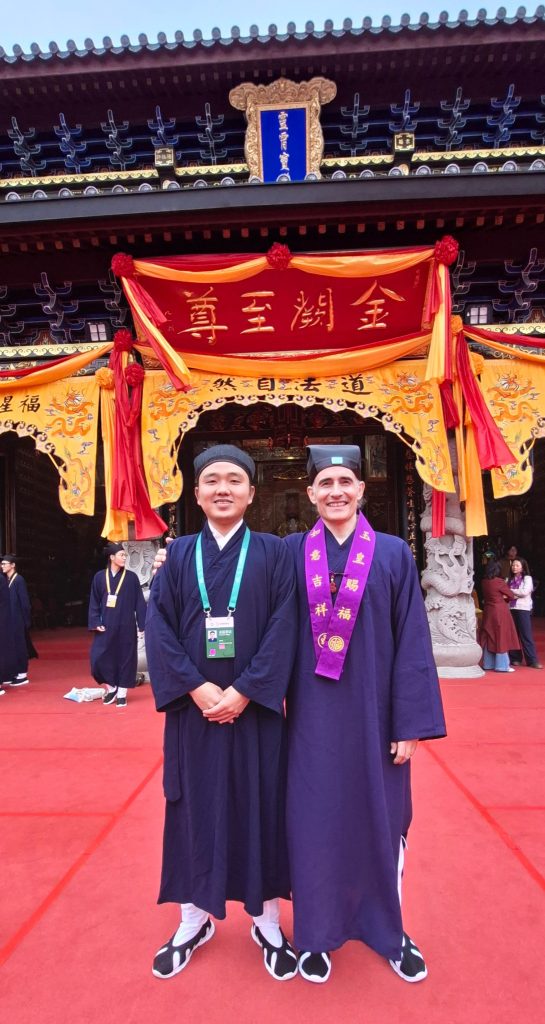
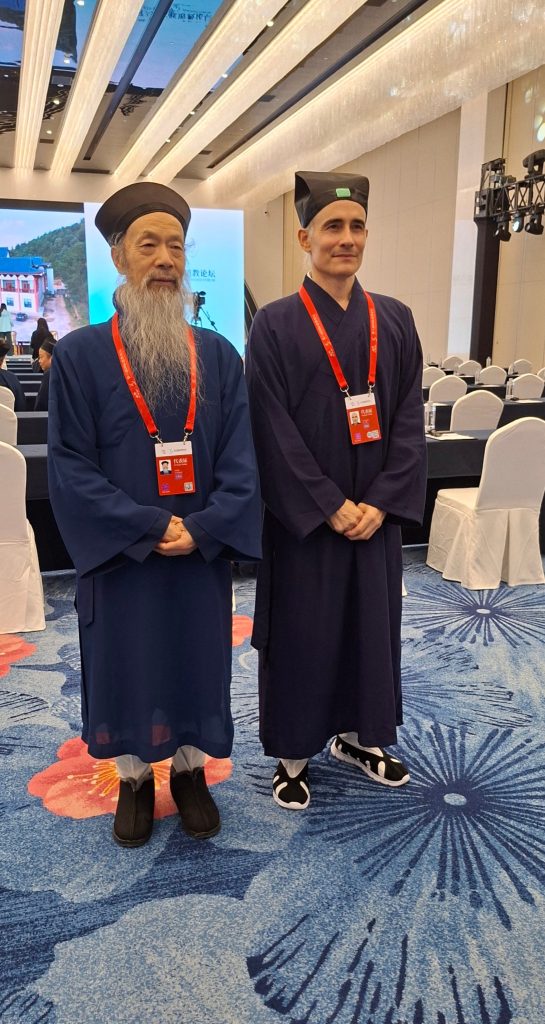
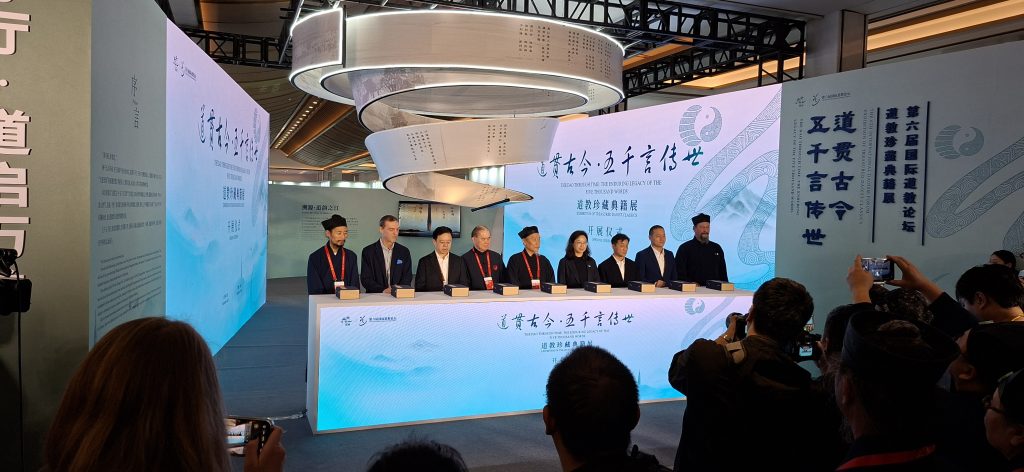
The BDA had the privilege of being invited as guests to the Sixth International Daoist Forum, held in Hangzhou, Zhejiang Province, China, from 4–7 November 2026. The Association was represented by one of its Vice Chairpersons: Jingdi 景地. This had been kindly facilitated by Rongyi 榮醫 of the BDA and the forum organisers.
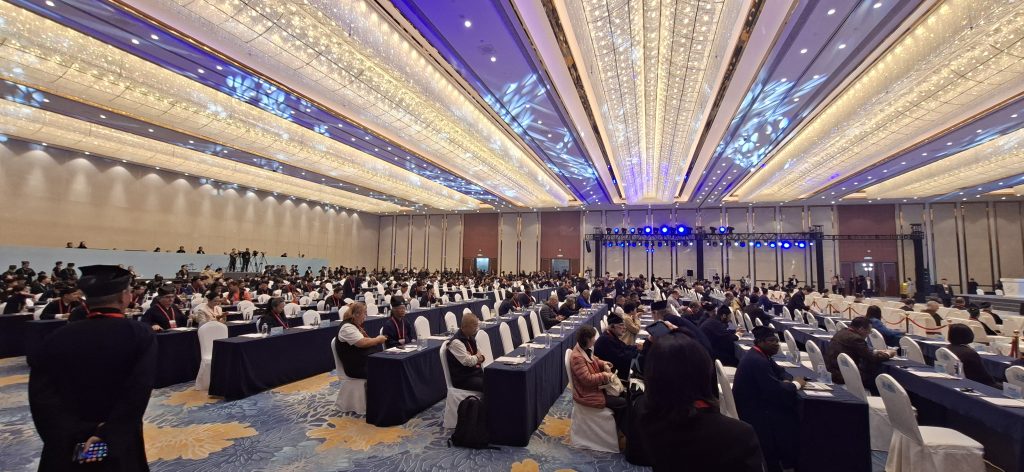
Bringing together around 500 Daoist representatives, scholars and guests from 46 countries and regions, the gathering offered an opportunity to strengthen friendships across the international Daoist community, establish new connections and reflect on the contribution of Daoist teaching and practice to contemporary life.
The link with Hangzhou
Hangzhou’s Daoist history reaches back at least to the fourth century, when local tradition places the Daoist physician and alchemist Ge Hong (葛洪), author of the Baopuzi, on a ridge above West Lake. The ridge still bears his name, Geling (葛岭). At Baopu Daoyuan (抱朴道院), the main hall honours him, and an old well and terrace are traditionally associated with his alchemical work.
In the hills west of the city, Dongxiao Gong (洞霄宫) stood near Dadi Grotto-Heaven (大涤洞天), one of the thirty-six lesser grotto-heavens of Daoist sacred geography. A temple was established there in 683, and it received the name Dongxiao Gong by imperial decree in 1012. The temple later fell into ruin, but its site survives and has been the subject of archaeological investigation.
Hangzhou gained a new religious role in 1138, when it became the capital of the Southern Song under the name Lin’an (临安). The court re-established several Daoist temples from its former northern capital, Kaifeng. Their rites helped the imperial family maintain a sense of continuity after losing the north and gave it places to pray for the protection of the dynasty.
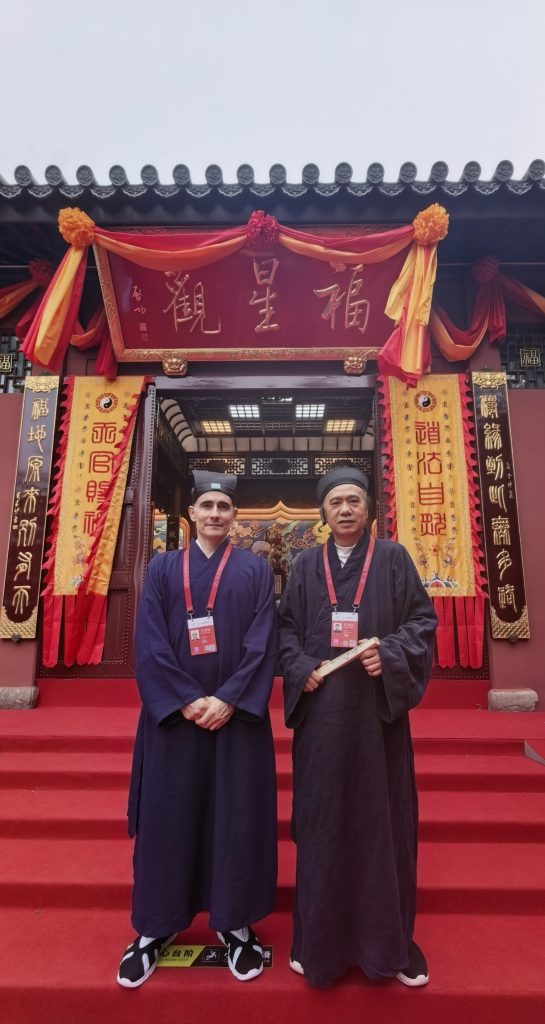
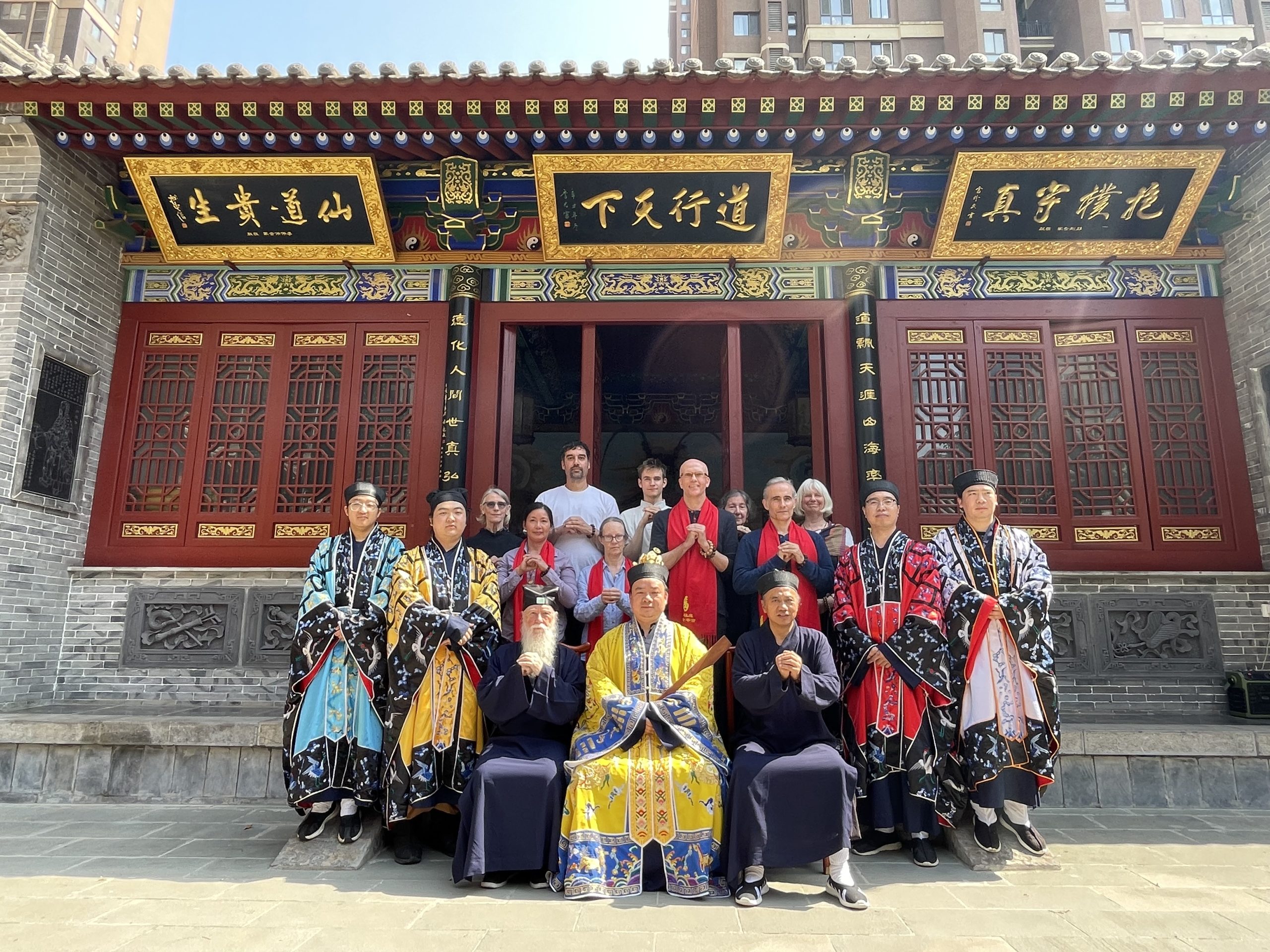
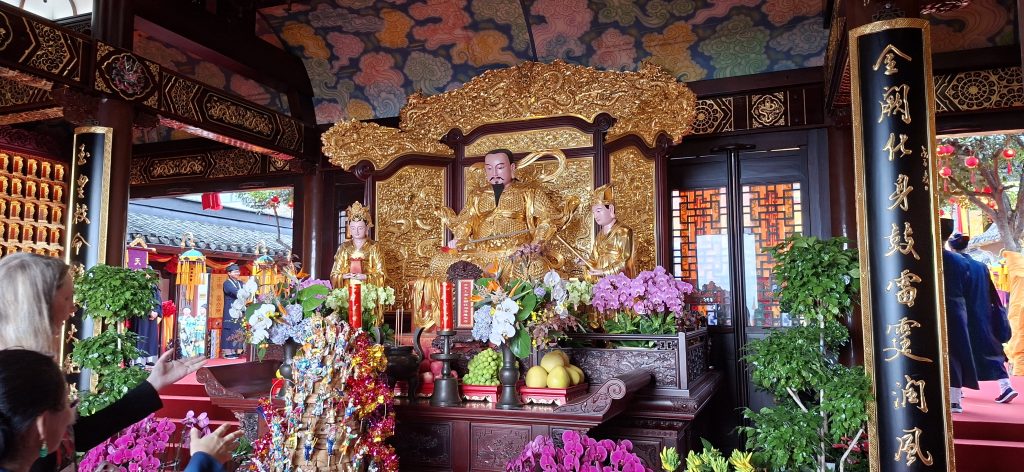
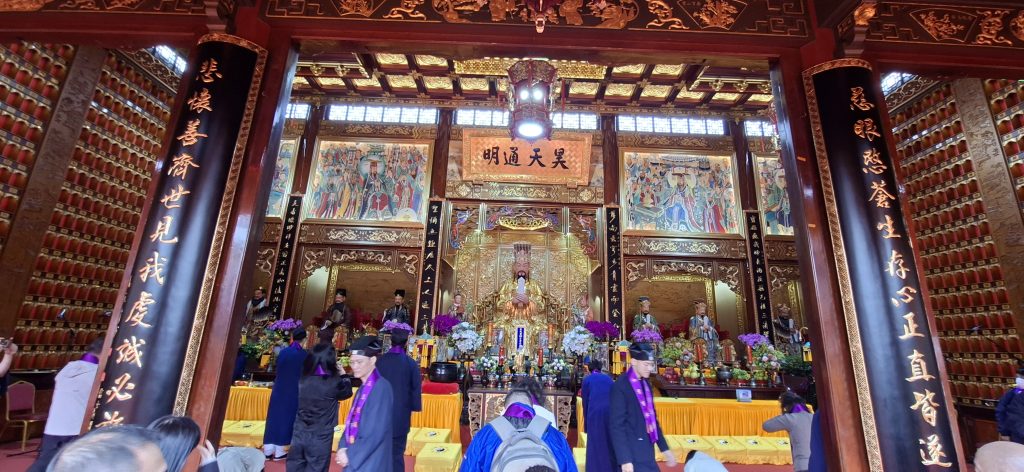
Fuxing Guan (福星观), the temple connected with the forum visit, stands on Jade Emperor Mountain between West Lake and the Qiantang River. In the late Qing and early twentieth century it became an important centre for Quanzhen ordination, where Daoists gathered to receive the precepts. Its abbot Li Lishan (李理山) was known for ritual, medicine and charitable work. The temple reopened for Daoist worship in 2004.
Jingdi shares his reflections on the gathering
The forum’s central theme, “Cultivating Virtue through the Dao, Fostering Harmony under Heaven” provided a shared starting point. Across different cultures, languages and circumstances, how can we cultivate virtue, live more harmoniously with one another and care for the natural world? And how can Daoist traditions be faithfully transmitted while responding to the challenges of our time?
The event was jointly organised by the World Federation of Daoism and the China Religious Culture Communication Association, and received considerable support from the Chinese government. The scale of the gathering, the generous hospitality and the extensive programme reflected the importance placed on Daoism’s international relationships and its contribution to the wider world.
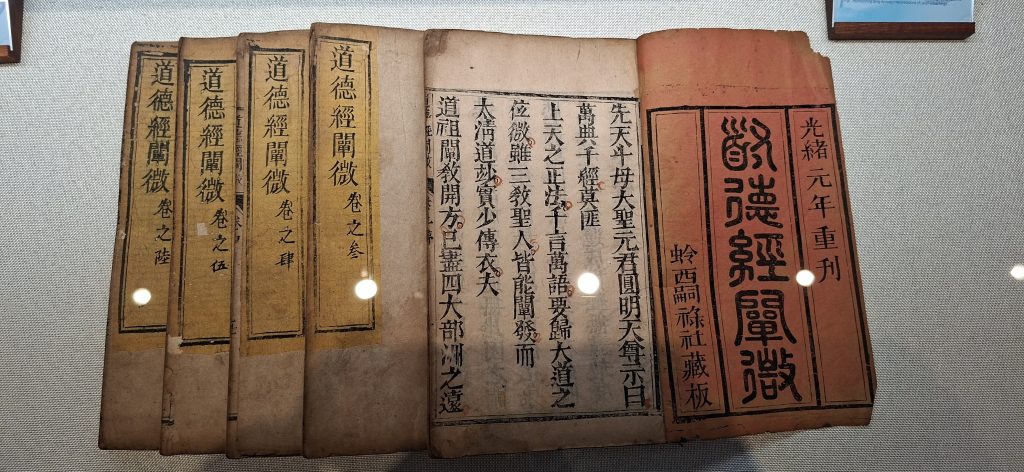
Alongside the main forum were five sub-forums exploring the value of Daoist culture, its worldwide transmission, science and technology, healthy living, and the education and development of the next generation. There was also an exhibition of treasured Daoist texts, and the second General Assembly of the World Federation of Daoism.
Several discussions addressed questions that reach well beyond the Daoist community: the possibilities and risks of artificial intelligence, the alienation that can accompany digital technology and social media, and our responsibilities towards the environment. Contributions came from both Chinese and international speakers.
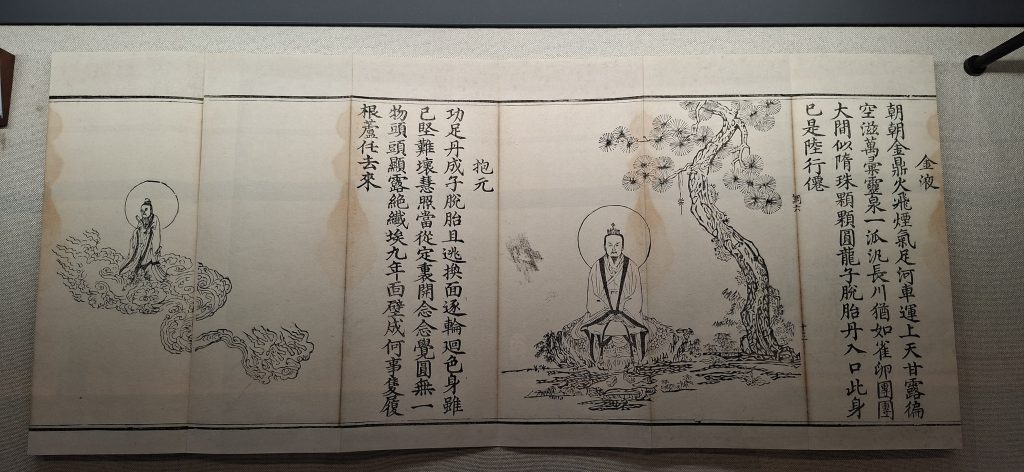
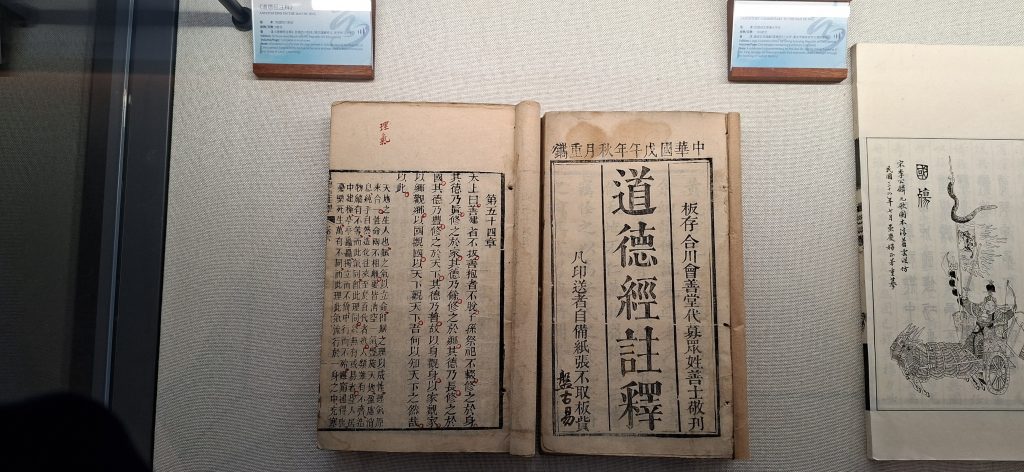
The exhibition of early editions of the Daodejing and other Daoist texts was a particular pleasure. Seeing these works offered a tangible connection with the generations who have preserved and transmitted the teachings. I would happily have spent longer there, especially with opportunities to discuss their histories and significance.
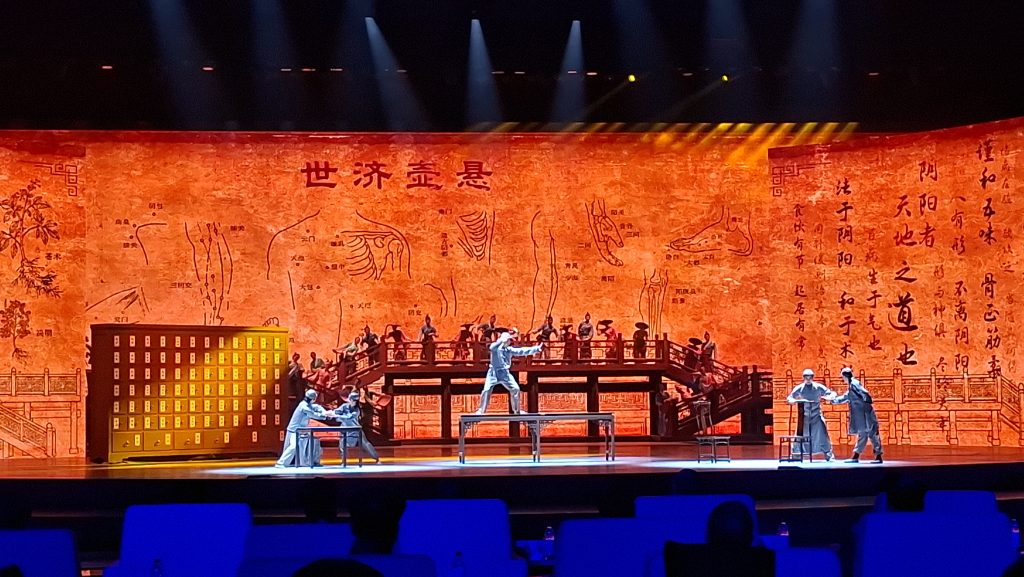
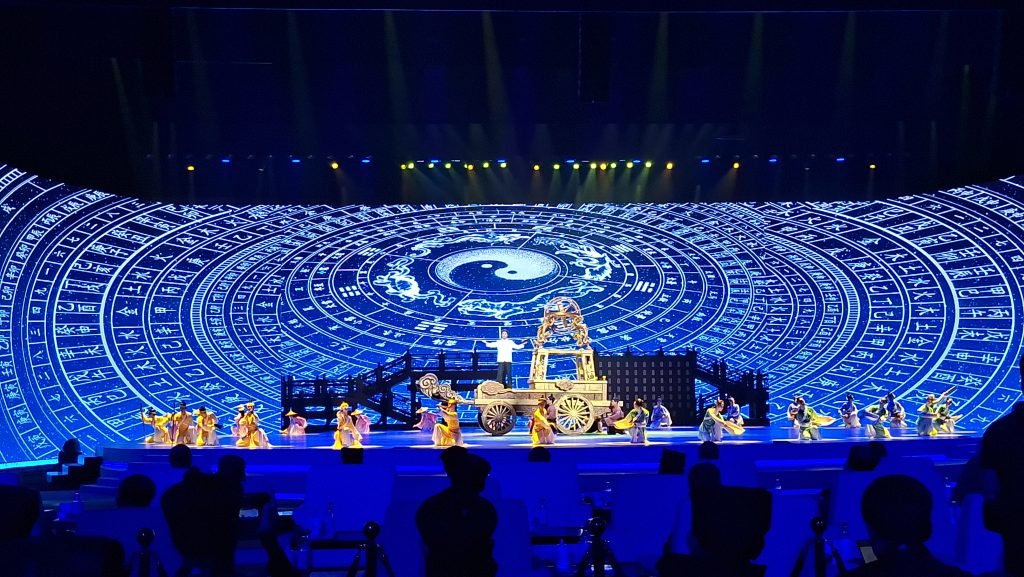
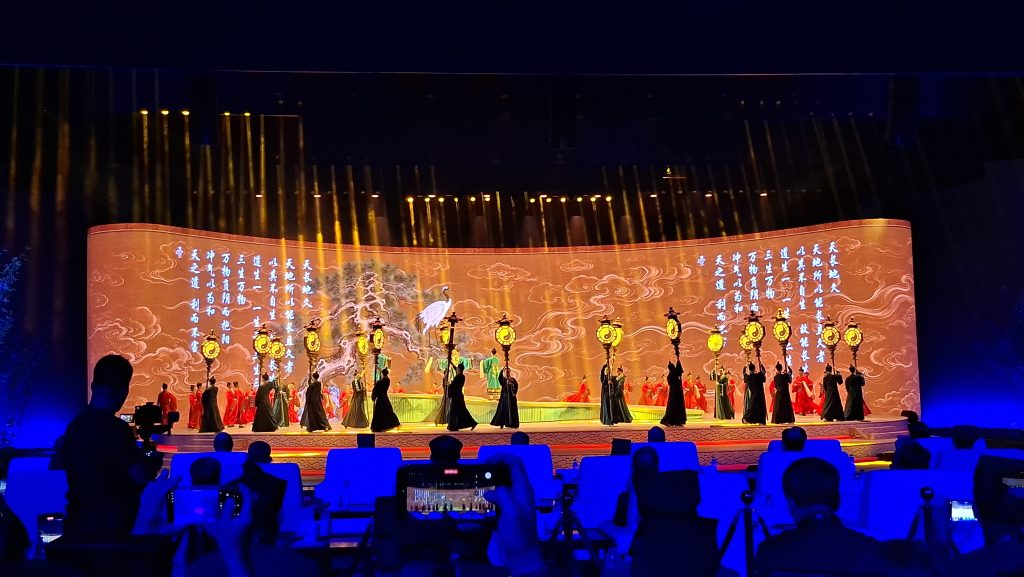
There was also an impressive cultural programme, including opera, martial arts and dance which expressed through performance the daode jing, zhuangzi and daoist medicine amongst others.
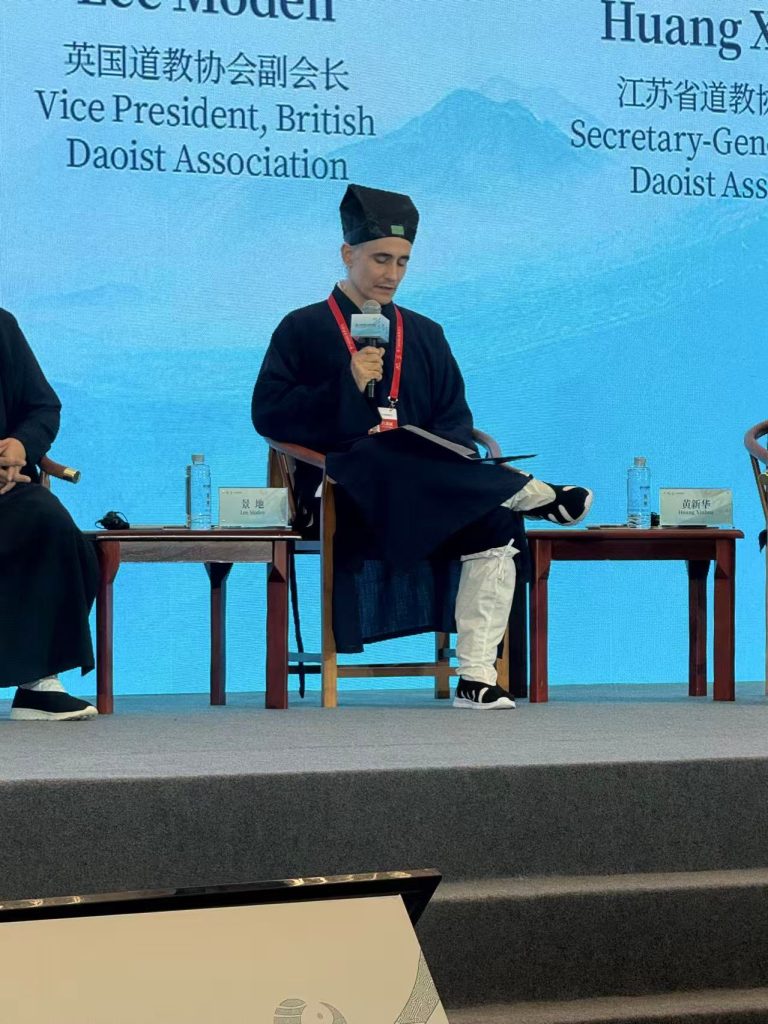
The BDA was also invited to contribute to the youth sub-forum, focussing on supporting the next generation of Daoist practitioners – nurturing natural potential and providing correct guidance .
My contribution centred on the relationship between inner cultivation and participation in everyday life: establishing a foundation in practice as essential, while recognising that our encounters with others continually reveal ways in which the cultivation unfolds in our life. In doing this, I repeatedly returned to the classics. I also emphasised how the approach and practice support each other and that scripture-only study is not a replacement for clear guidance from a teacher.
There was an audience of around 180, with filming and press photography throughout and a brief press interview followed. The experience reminded me that international relationships deepen through active participation, and that was reflected by the light-hearted conversations that opened up between people in our group during the breaks and how new connections were formed.
On the final day, I attended the beautiful Fuxing Guan, on Yuhuang Mountain near Hangzhou’s West Lake, for the concluding blessing ceremony.
The closing declaration called for simplicity and sincerity in religious life, mutual respect between cultures, responsible use of technology, care for physical and spiritual wellbeing, and support for future generations of Daoist practitioners. These are substantial aspirations, whose meaning will no doubt emerge through the ways they are put into practice.
The days were demanding, sometimes beginning with breakfast at 5.30am and continuing until late in the evening although there was a lovely area setup for people to drink tea, chat and watch various skilled craftspersons demonstrating a range of handicrafts and calligraphy. These small pauses were valuable amid such an intense schedule.
For me, the most meaningful part of the forum was meeting fellow Daoists whose sincerity was evident in their conversation and in the work they were doing within their communities. I had the pleasure of meeting fellow Daoists from across Europe and Asia, including Tibet, and from African countries such as Rwanda and Kenya. Some worked within established temples; others supported much smaller communities with modest resources. People’s circumstances differed considerably, but there was much to recognise in one another’s commitment to cultivation and service.
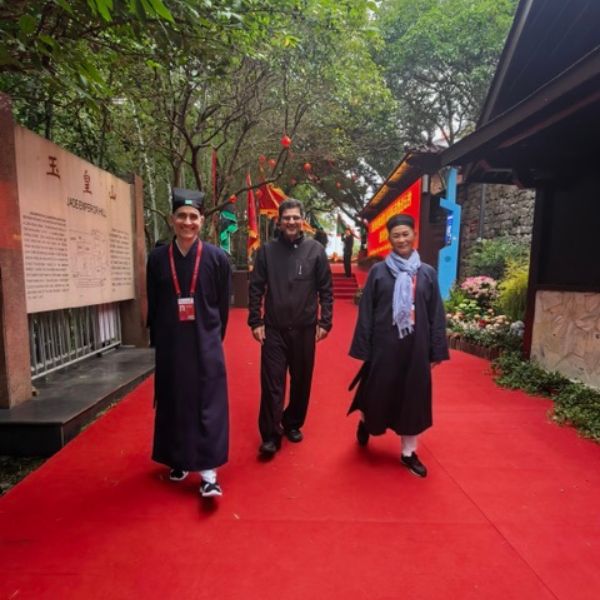
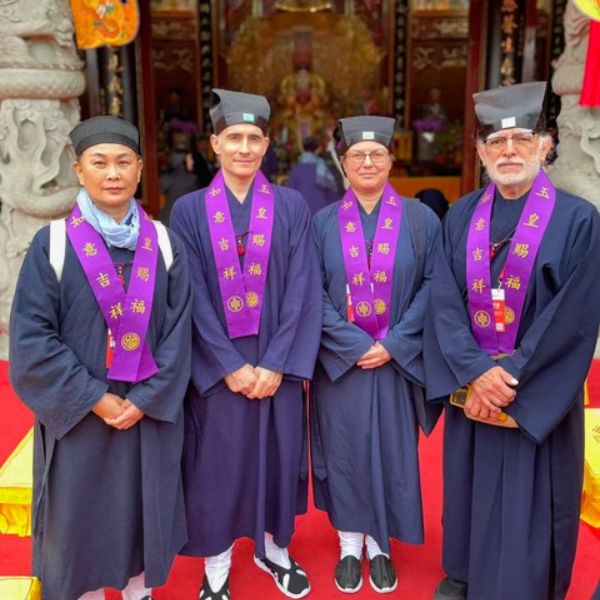
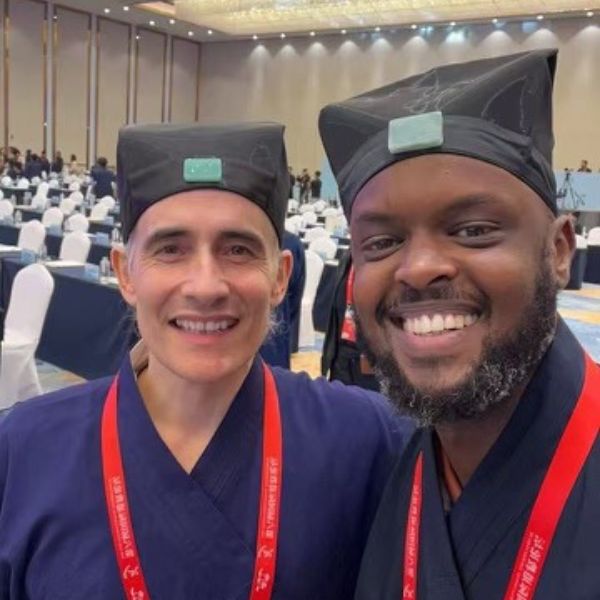
I returned home grateful for the opportunity to attend and to see my Shibo (senior Uncle) Huang Shizhen 黃世真 again and for the support from Master Fa Qi (法淇道长) a young daoist assigned to ferry me between events and ensure I didn’t get lost! Beyond the formal proceedings, it is the individual encounters that remain most vividly with me: fateful, unplanned encounters and conversations, and glimpses of the patient work being undertaken in different parts of the world.
There are now many new contacts to follow up and much to reflect upon. My hope is that these connections will grow into lasting relationships between the BDA and others around the world, and through which we can learn from one another, support sincere practice and ensure these teachings that have blown through time and space, are preserved for future generations.